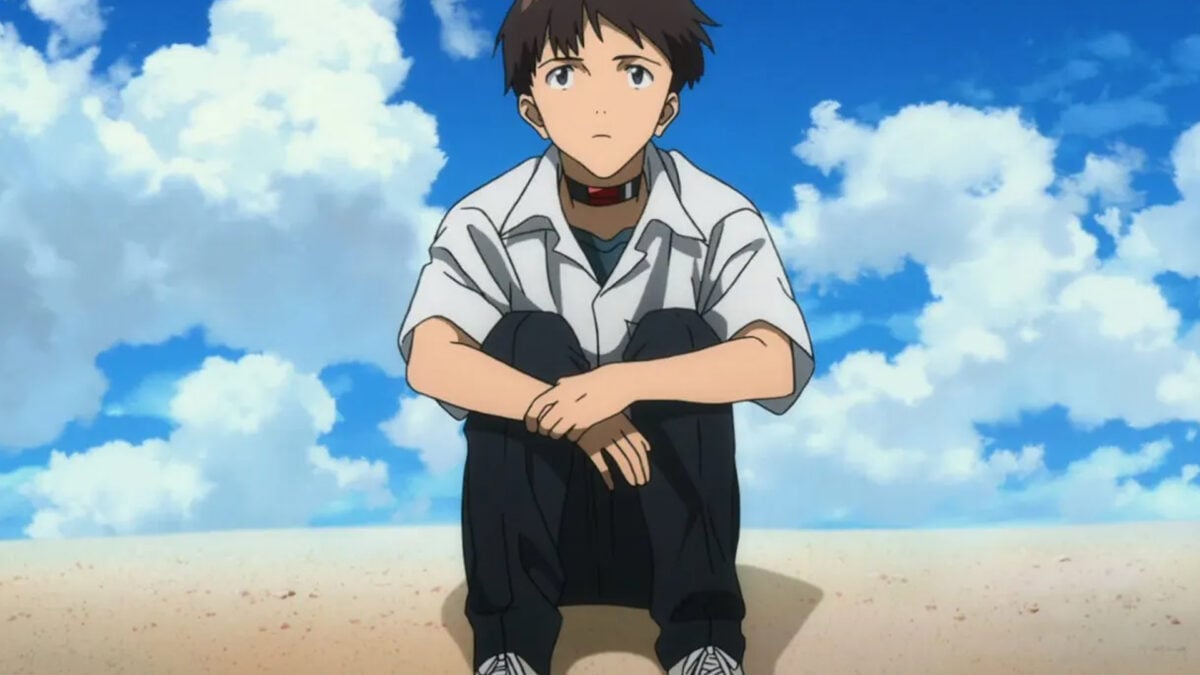
Evangelion's Next Genesis: Yoko Taro Takes the Helm for 30th Anniversary Series
Three decades after it first captivated audiences and redefined the mecha genre, Neon Genesis Evangelion is set to embark on a thrilling new chapter. In a monumental announcement coinciding with the iconic anime's 30th anniversary, it has been revealed that a brand-new Evangelion series is officially in production, with none other than the visionary game director Yoko Taro—creator of the acclaimed NieR and Drakengard franchises—leading the charge as series composition and scriptwriter. This unexpected yet tantalizing collaboration promises to inject fresh, philosophical depth into a universe already renowned for its complex narratives and existential quandaries.
The news, unveiled during the "Evangelion :30+; 30th Anniversary of Evangelion" festival and confirmed across official channels, has sent ripples of excitement and speculation throughout the anime and gaming communities. Joining Taro is his frequent collaborator, composer Keiichi Okabe, known for his hauntingly beautiful scores in the NieR series. Production duties will be handled by a powerhouse partnership: Studio Khara, the very studio behind the Rebuild of Evangelion tetralogy, and CloverWorks, celebrated for hits like Chainsaw Man and Spy x Family. With Kazuya Tsurumaki, a veteran of the Rebuild films, and Toko Yatabe of Chainsaw Man fame directing, the stage is set for a truly groundbreaking revitalization.
A Maverick Mind Meets a Legendary Saga: Yoko Taro's Vision for Evangelion
The choice of Yoko Taro to spearhead a new Evangelion series is, for many, a dream come true, and a testament to his profound impact on narrative storytelling. Taro is celebrated for his unconventional approach to game design and writing, characterized by fractured narratives, unreliable perspectives, absurdist imagery, bleak humor, and deeply philosophical themes. His works, particularly the critically acclaimed NieR: Automata, are not just action-packed experiences but intricate explorations of humanity, artificial intelligence, and the meaning of existence—themes that resonate strongly with the core tenets of Evangelion.
The Creative Architects Behind the Next Genesis
Yoko Taro has openly cited Neon Genesis Evangelion as a key inspiration for his own creative endeavors, stating that everything he makes is largely influenced by it. This direct lineage suggests that his take on Evangelion will be less a mere adaptation and more a respectful yet daring reimagining, filtered through his unique artistic lens. Fans can anticipate a narrative that challenges expectations, delves into the darkest corners of the human psyche, and perhaps even presents multiple, conflicting truths—a hallmark of Taro's style.
Composer Keiichi Okabe's involvement is equally significant. His atmospheric and emotionally charged compositions for the NieR series are instantly recognizable and deeply impactful. With Okabe at the helm of the score, the new Evangelion is poised to offer a distinct auditory experience, potentially moving away from the more traditional orchestral and choral arrangements of previous iterations to something more experimental and evocative. The synergy between Taro's narrative genius and Okabe's musical prowess is a formidable combination, promising a series that is as intellectually stimulating as it is emotionally resonant.
The directorial duties split between Kazuya Tsurumaki and Toko Yatabe further enhance the project's potential. Tsurumaki brings invaluable experience from the Rebuild saga, ensuring a continuity of understanding regarding the franchise's visual language and intricate lore. Yatabe, fresh off the visually arresting and dynamic Chainsaw Man, suggests a modern sensibility for action sequences and character animation. This blend of veteran experience and contemporary talent, supported by the production powerhouses of Studio Khara and CloverWorks, signals a commitment to both honoring the legacy and pushing the boundaries of what Evangelion can be. For a deeper dive into why this collaboration is a match made in narrative heaven, check out Yoko Taro's Evangelion: Why the NieR Creator is the Perfect Fit.
What to Expect from Evangelion x Yoko Taro: New Story or Reimagining?
One of the most burning questions following the announcement is whether this new Evangelion Yoko Taro series will be an entirely new story set within the established universe, a reimagining of the original narrative, or perhaps even a sequel that continues from the events of Evangelion: 3.0+1.0 Thrice Upon a Time. The official statements have remained cryptic, leaving room for rampant speculation.
Navigating the Labyrinthine Lore
If Yoko Taro opts for an entirely new story, the possibilities are limitless. He could explore previously untouched aspects of the Evangelion universe, introduce new characters, or delve into alternative timelines, a concept not entirely foreign to the franchise. Given his propensity for deconstructing familiar tropes, a new narrative from Taro could offer fresh perspectives on the nature of Angels, the impact of Instrumentality, or the true purpose of the EVAs themselves, without being constrained by existing plot points.
Conversely, a reworked version of the original series would be an incredibly bold move. Taro could bring his signature fractured storytelling to Shinji's psychological struggles, Misato's complex motivations, or Rei and Asuka's existential crises. Imagine iconic scenes recontextualized through multiple character perspectives, or the 'nonsensical endings' of the original series given a new, Taro-esque twist. This approach would be challenging but could offer a revelatory new interpretation for both long-time fans and newcomers.
Practical Tip for Fans: As more information trickles out, pay close attention to the language used in official announcements. Keywords like "reboot," "sequel," "alternate universe," or "new adaptation" will be crucial clues. Furthermore, observe any character designs or conceptual art for subtle hints about the timeline or narrative direction.
Ultimately, regardless of the narrative path chosen, fans should prepare for a thought-provoking experience that, like Taro's previous works and Evangelion itself, will likely challenge their perceptions and invite deep philosophical reflection. The strength of this collaboration lies in the creators' shared commitment to exploring the darker, more introspective facets of humanity.
The Philosophical Echoes: How Taro's Style Aligns with Evangelion
The true genius of the Evangelion Yoko Taro collaboration lies in the profound thematic overlap between their respective oeuvres. Both creators are masters of weaving high-octane action with deeply intricate philosophical narratives, exploring the very fabric of existence, suffering, and the human condition.
Beyond Mecha: Deeper Themes and Existential Quandaries
Evangelion famously explored themes of existentialism, identity, trauma, and the burdens of communication through the lens of giant robots battling monstrous invaders. Shinji's crippling anxiety, Asuka's desperate need for validation, and Rei's search for selfhood resonated deeply because they touched upon universal human struggles. Yoko Taro's works, especially NieR: Automata, similarly delve into these territories, questioning what it means to be human, the futility of war, the nature of memory, and the cyclical patterns of conflict and despair. His characters, whether androids or fantastical beings, grapple with their purpose, their origins, and the meaning of their often tragic existences.
Consider Taro's penchant for ambiguity and challenging player perspectives. In NieR: Automata, the story unfolds through multiple playthroughs, each offering a different character's viewpoint and revealing new layers of truth, often contradicting previous assumptions. Applied to Evangelion, this could mean exploring the psychological states of various characters—not just the pilots, but also the adult staff of NERV, or even the Angels themselves—with unprecedented depth and nuance. His signature "nonsensical endings" or multiple conclusions often force the audience to confront uncomfortable truths or re-evaluate their entire journey, a sensation not unfamiliar to those who experienced the original Evangelion's controversial conclusion.
Fact: The original Neon Genesis Evangelion anime's ending, particularly episodes 25 and 26, was a highly experimental and psychological dive into Shinji's mind, a significant departure from traditional anime narratives that left many viewers bewildered but ultimately cemented its legacy as a groundbreaking work of art. Taro's capacity for similar narrative boldness makes him an ideal candidate to revisit this universe.
This alignment suggests that the new series will not shy away from the intense psychological introspection and philosophical questioning that defined the original. Instead, it will likely amplify these elements, challenging viewers to think, to question, and to feel, much like Taro's critically acclaimed games.
The Wider Impact: NieR's Future and Anime's Evolving Landscape
The announcement of Yoko Taro's involvement with Evangelion naturally raises questions about the future of his other beloved projects, particularly the NieR series. With nearly nine years passed since the release of NieR: Automata in 2017, fans have eagerly awaited news of a follow-up. While no new game has been explicitly confirmed, a recent trailer celebrating NieR: Automata's 10 million sales notably ended with the message, "NieR: Automata to be continued..."
What This Means for Yoko Taro's Other Projects
This cryptic message provides a glimmer of hope for NieR enthusiasts, suggesting that new content, or even a direct sequel, is indeed on the horizon. The question now becomes one of timing and resource allocation. Will Taro's intensive work on Evangelion delay further NieR developments, or could he be working on both concurrently, delegating aspects to his trusted teams? Given his reputation as a prolific creator, it's not entirely out of the realm of possibility that multiple high-profile projects could be in various stages of development under his watchful eye.
This cross-franchise collaboration is also a significant indicator of the evolving landscape within the Japanese entertainment industry. Increasingly, we are seeing acclaimed creators from one medium lending their unique vision to another, leading to exciting and unpredictable results. This convergence of talent, exemplified by the Evangelion Yoko Taro partnership, showcases a willingness to take creative risks and push the boundaries of established intellectual properties. It fosters a more interconnected creative ecosystem where storytelling methodologies and artistic sensibilities can cross-pollinate, enriching both the original and the adapted works.
It opens up discussions about what other unexpected collaborations might be on the horizon and how diverse creative voices can breathe new life into beloved franchises. This move solidifies Yoko Taro's status as a major auteur whose influence extends far beyond the gaming world, making him one of the most exciting figures in contemporary Japanese media. For more details on the initial announcement, read New Evangelion Series Confirmed with NieR's Yoko Taro.
Conclusion
The announcement that Yoko Taro will be leading the next Evangelion series for its 30th anniversary is arguably one of the most exciting and significant pieces of anime news in recent memory. Combining the philosophical depth and psychological intensity of Evangelion with Taro's unique narrative genius and Keiichi Okabe's haunting scores promises an experience that is both familiar and utterly fresh. While many questions remain—concerning the narrative's direction, its place within the broader Evangelion canon, and its impact on Taro's other projects—one thing is certain: this collaboration has the potential to redefine what a legacy anime franchise can be in the 21st century. As production ramps up, the world waits with bated breath to see what new genesis this extraordinary team will bring forth.